Recipes · 13 September 2026
A Food Lover’s Weekend in St Albans: Markets, Pubs & Eats
St Albans has a food scene that creeps up on you. Barely twenty minutes from London, this Hertfordshire cathedral city offers far more than a convenient day out: cobbled streets, a market with over a thousand years of hi
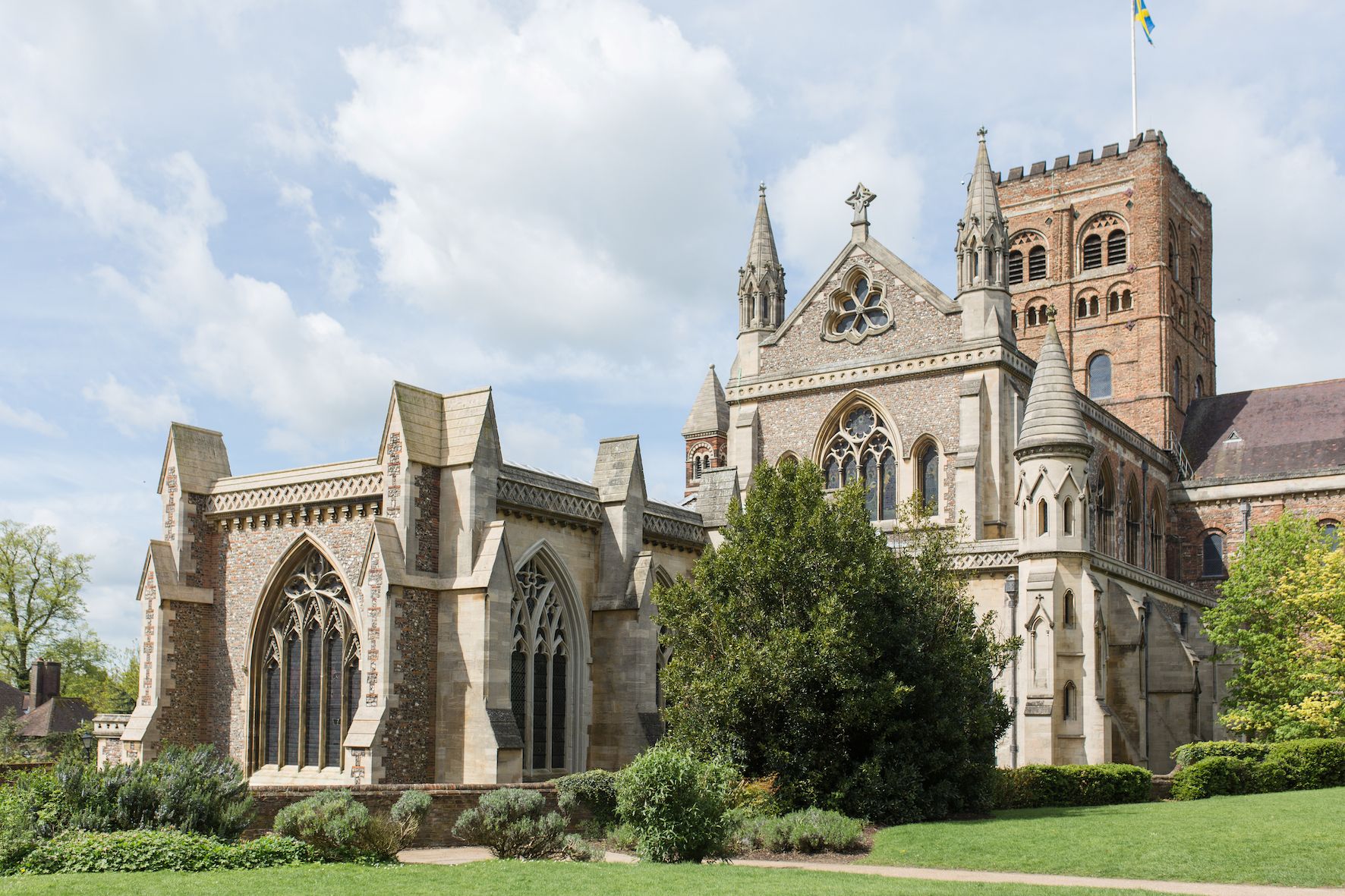
St Albans has a food scene that creeps up on you. Barely twenty minutes from London, this Hertfordshire cathedral city offers far more than a convenient day out: cobbled streets, a market with over a thousand years of history, Roman remains, characterful old pubs and an independent food culture that feels rooted in the place rather than imported for show. For a weekend break with real substance, it makes a persuasive case. You can begin with flaky pastries and proper coffee, drift from market stalls to medieval lanes, take lunch in a pub whose walls hold centuries of stories, and finish the evening with anything from considered restaurant cooking to waffles, deli finds or tapas-style small plates. Food and history sit naturally side by side here, and that is precisely what makes the city such a pleasure to explore.
Why St Albans suits a food-focused weekend
What makes St Albans work so well as a food-focused escape is the way everything sits comfortably within the wider shape of the city. The food scene never feels detached from its surroundings. Instead, the best meals and market finds are folded into centuries of history, from the cathedral quarter and medieval streets to a long-established market culture and historic inns that once welcomed passing travellers. Add a lively mix of independent cafés, bakeries, delis and restaurants, and the result is a weekend that feels both effortless and full.
That balance is the city’s real appeal. You are not choosing between culture and comfort, or between sightseeing and eating well; the two are closely intertwined. A morning might start with coffee and pastries before a wander through the market, continue among Roman remains or in the cathedral quarter, and end with dinner in a historic pub or independent restaurant. Because the centre is compact and walkable, it is easy to explore at a relaxed pace without ever feeling short of things to see, taste and enjoy.
A food lover’s first day
The ideal first morning begins with coffee and something buttery or sweet from one of the city’s independent bakeries. From there, head into the market area and let St Albans reveal itself on foot. This is a place that rewards a little meandering: a deli here, a historic frontage there, the market in full swing on the right day, and the cathedral never far from view. It is easy to build a day around food, but just as easy to let history and atmosphere shape the route.
Visit on a Wednesday or Saturday and the Charter Market gives the day an immediate sense of energy, with stalls, local colour and a steady flow of people moving through the centre.
Even away from the market, the city has a way of drawing you onward. You might pause for a deli-style lunch, linger over old shopfronts and cobbled streets, or simply follow the pull of the cathedral quarter, where the historic fabric of St Albans feels especially vivid. Lunch need not be overplanned here; it can be part of the pleasure of wandering.
As the day unfolds, there is plenty to tempt you away from the table for a while, whether that means climbing the Clock Tower, spending time in the cathedral, or drifting between the Museum + Gallery and the older streets nearby. By late afternoon, it makes sense to slow down again with something sweet or a drink before settling into the evening. Dinner might mean a relaxed pub, something more contemporary in the cathedral quarter, or simply another stop that catches your eye as the city winds down. What makes a first day work so well is that food and exploring never feel like competitors; each leads naturally into the other.
A slower second day
If the first day is shaped by the market, the cathedral quarter and the easy pleasures of wandering the centre, a second day invites a gentler pace. This is the time to head towards Verulamium and St Michael’s, where the city’s Roman history and greener spaces come more fully into view. Breakfast or brunch can be unhurried, followed by a walk through the park, time at Verulamium Museum or the Roman Theatre, and perhaps a pause at a historic pub before one last browse or sweet stop back in the centre.
What makes a second day worthwhile is the chance to see a different side of St Albans. The city still feels compact and manageable, but there is more room to notice its quieter corners, from parkland and old streets to independent food stops you might have missed the day before. It turns the trip from a good day out into something more rounded: a weekend shaped not only by where you eat, but by the pleasure of exploring at a gentler pace.
What to do between meals
One of the pleasures of a weekend here is that there is plenty to draw you away from the table between one meal and the next. This is a city that rewards wandering. Begin with the market and medieval streets at the centre of town, then drift towards the cathedral quarter, where layers of history seem to reveal themselves one after another. The cathedral is the obvious anchor, both for its scale and for the sense of continuity it gives the city, while nearby streets such as George Street, Romeland and Fishpool Street make the case for slowing down and looking properly.
For a higher vantage point, the medieval Clock Tower offers panoramic views across the city, while the cathedral’s Norman Tower gives you a different perspective again, looking out over rooftops, greenery and the wider Hertfordshire landscape. Both help place St Albans in context: compact enough to explore with ease, but full of detail once you start paying attention. If you hope to climb either tower, check opening dates and times before your trip.
If you want to balance eating and browsing with museums, St Albans Museum + Gallery makes an easy stop in the city centre, with permanent displays and changing exhibitions inside a handsome former civic building. A little further out, Verulamium Museum and Verulamium Park bring the city’s Roman past into sharper focus. The park itself is worth the walk for its broad green space and calmer pace, but it is the reminder that this was once Verulamium, one of Roman Britain’s major cities, that gives the area its particular character. The Roman Theatre of Verulamium adds another dimension, offering one of the city’s most distinctive historic sites between café stops and pub lunches.