Travel · 13 September 2026
A Long Weekend in Cork: Food, Pubs, Markets & Day Trips
Cork is compact enough for a long weekend but far too full of character to rush. This food-led guide to three or four days brings together the English Market, old pubs, riverside walks, cultural landmarks, central places
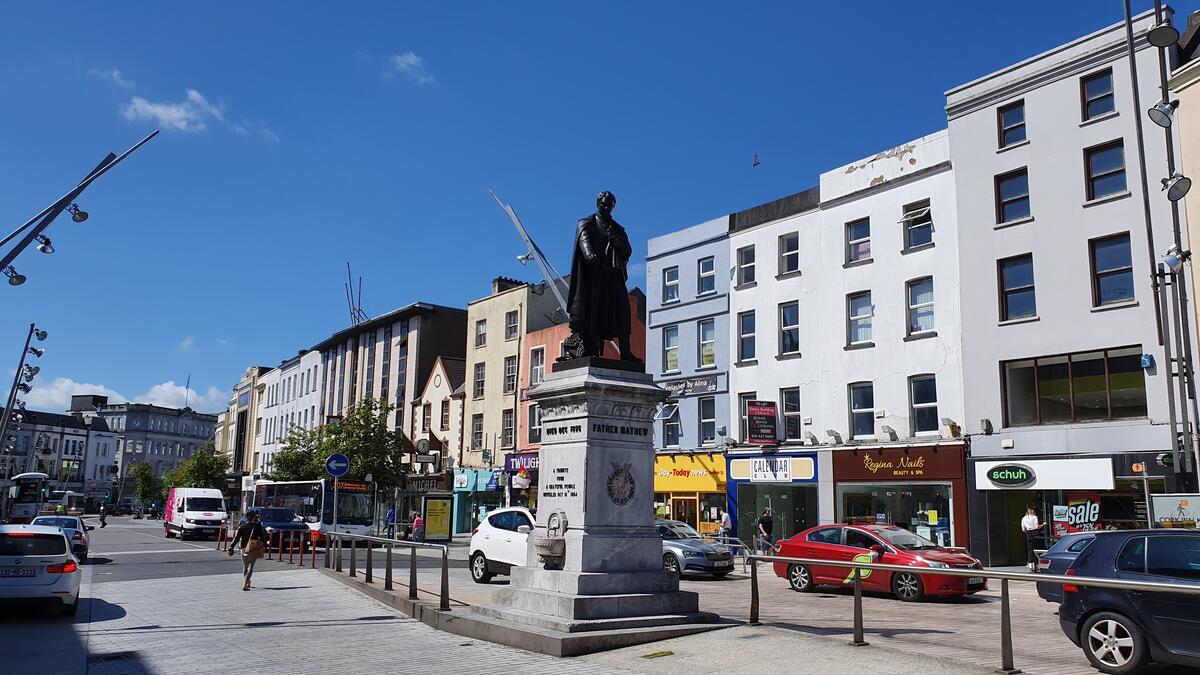
Cork is compact enough for a long weekend but far too full of character to rush. This food-led guide to three or four days brings together the English Market, old pubs, riverside walks, cultural landmarks, central places to stay and one carefully chosen day trip.
It is a city that rewards a slower pace. The centre is shaped by the River Lee, with streets, bridges, quays, markets, theatres, churches, galleries, cafés and pubs all sitting within a relatively walkable area. You can cross from a food market to a Georgian church, from a riverside walk to a small cinema, or from a historic pub to a hilltop view without the day turning into an endurance test.
Why Cork suits a long weekend
Cork offers several different versions of itself in a single trip. There is the food city, anchored by the English Market and shaped by spiced beef, butter, seafood, local produce, cafés, restaurants and independent food businesses. There is the pub city, with old bars, local stout, conversation, traditional music and a deep sense of atmosphere. There is the cultural city, with venues such as Triskel Arts Centre, Cork Opera House, The Everyman, Nano Nagle Place and St Peter’s Cork. Then there is the riverside city, all bridges, quays, slopes and glimpses of the Lee.
The city is not completely flat. The centre itself is easy to navigate, but some of the best views and most atmospheric older streets involve a climb. Patrick’s Hill is famous for a reason, and the walk towards Bell’s Field will remind you quickly that Cork is built with gradients as well as bridges. Comfortable shoes matter, as does leaving enough space in the day to stop, look around and recover with coffee or a pint of Murphy’s.
Cork also works as a base without demanding that you leave it. Cobh, Kinsale, Blarney, Fota and Midleton are all realistic day-trip options, but the city itself is not just somewhere to sleep between excursions. A good Cork weekend keeps the centre at the heart of the visit, then adds one nearby escape if time allows.
What makes Cork different
One of the quickest ways to misunderstand Cork is to describe it only as Ireland’s second city. Technically, yes, it is smaller than Dublin. Spiritually, it is having none of that. Cork has always carried itself with a particular kind of confidence: playful, stubborn, self-aware and deeply local. It is there in the way people talk about going into “town”, in the loyalty to local stout, in the pride around the English Market, and in the sense that Cork is not waiting for anyone else to validate it.
The geography helps shape that feeling. Cork grew around the River Lee, with its centre sitting on an island between two channels. Bridges are part of daily movement here, not just scenery. The quays give the city openness, while the hills pull the eye upwards. You feel the harbour history, the food-trade history, the butter history, and the way older commercial streets sit close to cultural spaces, pubs and newer independent businesses.
Food is central to that identity. Cork is not a place where food feels added on for visitors. The English Market remains one of the city’s defining civic spaces, while the wider food culture reaches into cafés, restaurants, fishmongers, butchers, cheesemongers, bakeries, food festivals, local producers and pub sandwiches. Spiced beef, seafood, butter, farmhouse cheese, local stout and serious coffee all belong to the story.
The pub culture is just as important. Cork pubs are not simply places to drink; they are places to listen, talk, sit, observe and absorb the city at room temperature. The best ones do not need to shout for attention. They have low light, polished wood, regulars, stories, old habits, good staff, and a feeling that the city has been passing through them for generations.
How to spend a long weekend in Cork
For a first visit, Cork works best as a three or four-day city break. Spend your arrival day getting your bearings around the River Lee, MacCurtain Street, the city centre and the quays. Use your first full day for the English Market, Shandon, the Cork Butter Museum and proper Cork pub culture. Keep another day for Nano Nagle Place, St Fin Barre’s Cathedral, Elizabeth Fort, University College Cork, Fitzgerald Park, the Cork Public Museum and one of the city’s hilltop views. If you have a fourth day, choose one easy day trip to Cobh, Kinsale, Blarney, Fota or Midleton.
Stay central if you can. South Mall, the city centre, MacCurtain Street, the Victorian Quarter and the area around Kent Station are all useful bases, keeping you close to markets, restaurants, cafés, pubs, shops, cultural venues and transport links.
The biggest mistake is trying to treat Cork City and County Cork as the same trip. You can absolutely use the city as a base for a day trip, but the long weekend works better when Cork City remains the main event. Give the city time to do what it does best: feed you well, send you up a hill, pull you into a conversation, and make you wonder why you did not stay longer.
Things to do in Cork city
The English Market is the natural starting point for any food-led visit. A covered market with yellow awnings and a central fountain, it has been trading in various forms since the eighteenth century and remains a working market as much as a visitor attraction. Come hungry and come early.
Shandon and its church tower sit on the north side of the river, reached by a climb that rewards you with one of the city’s best-known views. The Cork Butter Museum nearby tells the story of a trade that once made the city a global name.
St Fin Barre’s Cathedral, Elizabeth Fort, Nano Nagle Place and St Peter’s Cork all sit within reasonable walking distance of the centre and give the weekend its cultural ballast. University College Cork and Fitzgerald Park make for a pleasant half-day west of the centre, with the Cork Public Museum close by.
Where to eat and drink
Cork’s food scene reaches well beyond the market. The city has a strong network of independent cafés, restaurants, bakeries and food shops, with a particular strength in seafood, local produce and farmhouse cheese. Pub sandwiches are a genuine part of the food culture here, not an afterthought.
The city’s pubs are best approached without a checklist. The good ones tend to be the ones you stumble into: low light, polished wood, regulars, stories and a sense that the city has been passing through them for generations. Local stout is the default order.
Best day trips from Cork
If you have a fourth day, one day trip is enough. Cobh, with its harbour and maritime history, is the closest and easiest. Kinsale offers a food-led coastal alternative. Blarney is the obvious choice for the castle and its famous stone. Fota has the wildlife park and gardens, and Midleton is the home of the Jameson distillery experience.
Each of these is reachable from the city, but none should be allowed to crowd out the city itself. The long weekend works best when Cork City remains the main event.
Practical tips for planning a Cork weekend
Book central accommodation early, particularly for summer weekends. Bring comfortable shoes, because the city’s gradients are part of the experience. Leave room in the schedule for weather, which in Cork is best treated as an ongoing conversation rather than a fixed plan. And resist the urge to over-schedule: the city rewards wandering, stopping and talking.