Recipes · 13 September 2026
Food and Wine Experiences in Murcia: Tastings, Tours and Day Trips
Murcia remains one of Spain's most quietly rewarding regions for anyone who plans a trip around eating and drinking. It lacks the instant recognition of Barcelona, Seville or San Sebastián, and that is precisely the poin
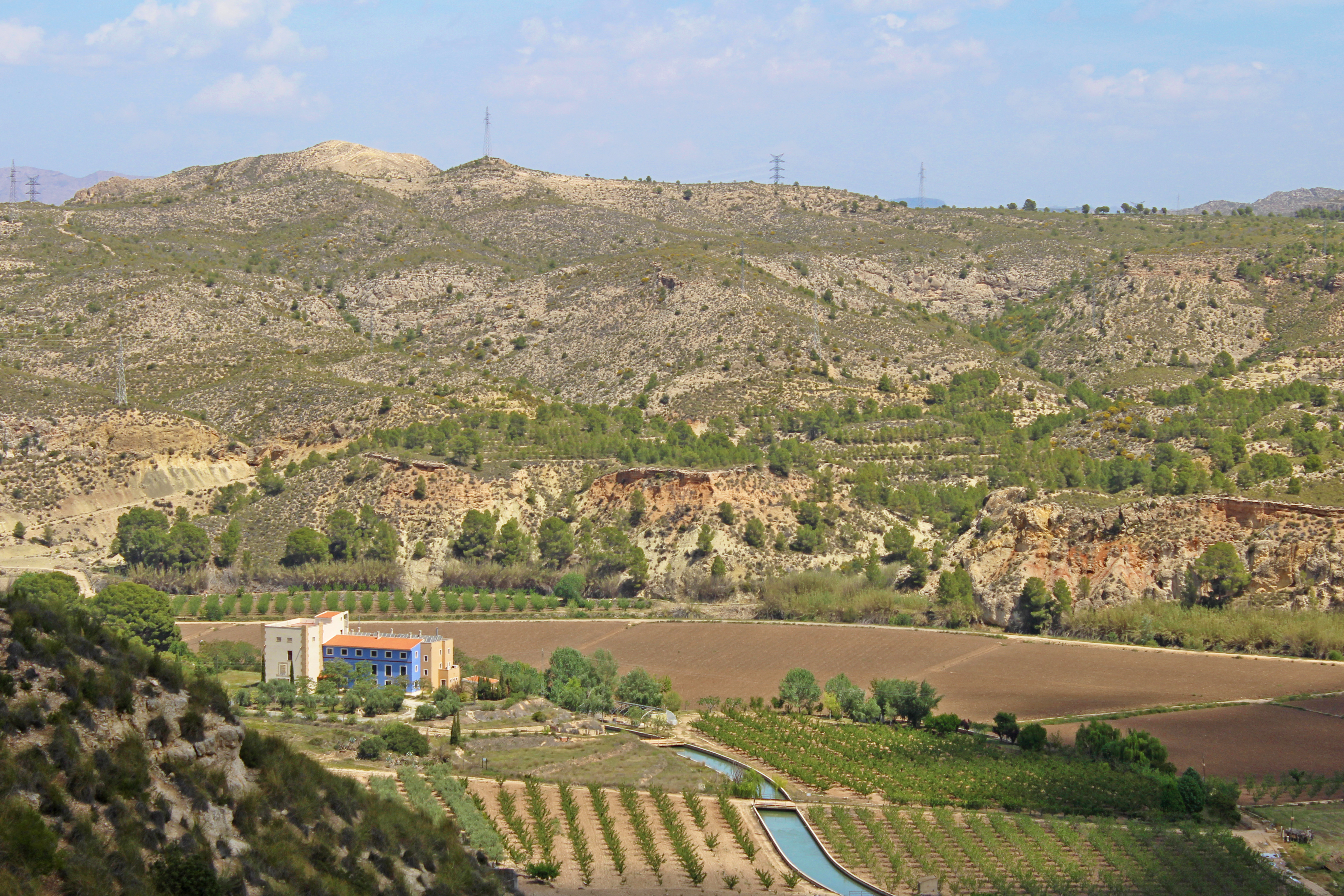
Murcia remains one of Spain’s most quietly rewarding regions for anyone who plans a trip around eating and drinking. It lacks the instant recognition of Barcelona, Seville or San Sebastián, and that is precisely the point. Food here still feels tethered to the land: market-garden vegetables, rice dishes, seafood from the Mar Menor and the Mediterranean coast, old-school tapas bars, traditional pastries, and generous wines from nearby areas such as Bullas, Jumilla and Yecla.
For travellers who like to understand a place through what they eat and drink, Murcia rewards a slower pace. You can build a stay around long lunches, vermouth stops, local markets, vineyard visits and regional dishes that rarely feature on a standard Spain itinerary. The best food and wine experiences here are not simply about ticking off another tasting or tour. They help explain why this corner of south-eastern Spain has such a distinctive culinary identity.
Why Murcia Works So Well
Murcia suits food and wine experiences because its culinary identity is rooted in everyday life rather than performance. The city has proper market culture, old tapas bars, family-run restaurants, traditional bakeries and easy access to wider regional landscapes, from inland vineyards to the coast. Food rarely feels detached from its surroundings. What you eat often tells you something about the land, the climate and the way people here have cooked for generations.
The region is known for the quality of its produce. Murcia’s market-garden landscape gives the cooking a strongly vegetable-led character, while the coast brings seafood into the picture. Dishes such as zarangollo, marinera, michirones, arroz al caldero and paparajotes each speak to a different part of the region’s food story, from humble bar snacks to rice dishes, orchard produce and sweet fritters wrapped around lemon leaves.
Wine is another reason to set aside time for a guided tasting or a day out. The Region of Murcia has established wine routes around Bullas, Jumilla and Yecla, all of which let visitors explore local wineries, landscapes and Monastrell-led wines beyond the city. The official regional tourism site offers a useful overview of the area’s wine tourism routes if you want to understand how the main wine areas fit together.
For a first visit, the appeal is not that you need to book every possible experience. It is that even one well-chosen food tour, tasting or vineyard visit can give shape to the rest of your time in the region. A guided experience can help you understand what to order, which wines to look for, how Murcia’s food differs from better-known Spanish regions, and why the city rewards travellers who move at a slower pace.
Where to Base Yourself
For most travellers, Murcia city is the easiest and most practical base. Staying centrally keeps you close to tapas bars, restaurants, markets, bakeries and evening life, while still allowing day trips into the surrounding region. On a first visit it is usually better to sleep in the city and travel out for wine experiences, rather than staying in a smaller wine town and missing the atmosphere of Murcia itself.
The historic centre is the most convenient choice if you want to walk to restaurants, cafés, plazas and cultural sights. It works especially well for a short break built around food, wine and slow city exploring. You can spend the day dipping into churches, museums, markets and shaded streets, then move easily into tapas, vermouth or dinner without relying too heavily on taxis.
If wine tourism is the main focus of your trip, think carefully about transport. Bullas, Jumilla and Yecla are better treated as regional excursions than casual strolls from the hotel. A guided wine tour or organised tasting can be the simplest option if you want to enjoy the wine properly without worrying about driving. If you hire a car, it may be worth pairing a winery visit with a wider day trip, but the usual common-sense rule applies: do not plan to drive after a proper tasting.
Wine Tastings and Vineyard Visits
Wine is one of the strongest reasons to look beyond Murcia city for a day. While the city itself gives you tapas bars, markets and restaurants, the surrounding region brings vineyards, small bodegas, wine museums, rural landscapes and the chance to understand how deeply wine sits within Murcia’s wider food culture.
The three names to know are Bullas, Jumilla and Yecla. Each has its own character, but for most visitors the practical question is less about covering every wine area and more about choosing one experience that fits the pace of the trip. If you are in Murcia for a short break, one well-planned winery visit is usually enough. If wine is the main focus of your itinerary, you could build a full day around Bullas or Yecla and leave space for a slower lunch, a tasting and time in the surrounding countryside.
If you are short on time, choose a city-based food experience that introduces Murcia’s tapas bars, traditional dishes and local produce. If food and wine are a major focus, allow time for a vineyard or winery experience outside the city, especially if you are interested in Monastrell wines and the broader food culture of the Region of Murcia.
Before You Book
Check exactly where each experience starts, whether transfers are included, how long the tasting or tour lasts, and whether food is part of the price or offered as an optional extra. For wine tastings in Bullas, Jumilla or Yecla, organised transport can be the easiest option if you want to enjoy the wines properly. For rice routes, farm visits and coastal tastings, comfortable shoes, sun protection and a refillable water bottle are worth packing, especially outside the city centre.
Food Landscapes and Rural Produce
Murcia’s inland landscapes shape much of what reaches the table. Market gardens, orchards and rice-growing areas around the Mar Menor and the Segura river give the region a produce-led character that is hard to find elsewhere in Spain. Farm visits and rural food experiences are a way to see that connection first-hand, whether you are looking at vegetables, citrus, rice or the small-scale producers who supply the city’s markets.
Coastal Food and Wine Experiences
The Mediterranean coast and the Mar Menor bring seafood into the picture, from grilled fish and shellfish to the rice dishes that define so much of the region’s cooking. Coastal experiences often combine a tasting with time by the water, making them a good option if you want to pair food with a day out of the city. As with any coastal excursion, check travel times and whether transport is included before committing.
Beer and Tapas Experiences
Murcia’s tapas culture is one of the most accessible ways to get to know the city. Old-school bars, shared plates and local beer or wine are the backbone of an evening here, and a guided tapas or food tour can help you navigate the options and understand what you are eating. These experiences work well for a first visit, when a little local knowledge makes a noticeable difference to what you order and where you go.
FAQs
What are the best food and wine experiences in Murcia? The most rewarding options tend to centre on the city’s tapas and market culture, the region’s local dishes, and its surrounding wine areas. For a first visit, a tapas or food tour, a guided wine tasting, or a vineyard day trip to Bullas, Jumilla or Yecla are the standout choices.
Do I need a car for wine tastings near Murcia? Not necessarily. Organised tours and tastings often include transport, which is the easiest option if you want to enjoy the wines without worrying about driving. If you hire a car, do not plan to drive after a tasting.
How long does a vineyard visit take? It varies by experience. A single winery visit can take a few hours, while a full day out may combine several stops with a slower lunch. Check the duration before booking.
When is the best time to visit Murcia for food and wine? The region’s food culture is present year-round, though spring and autumn tend to be the most comfortable seasons for exploring markets, vineyards and coastal areas on foot.