Recipes · 13 September 2026
Homemade Pasta Guide: Easy, Colourful & Artisan Tips
Making pasta at home is one of those kitchen pursuits that looks daunting from the outside and feels quietly meditative once you're in it. It rewards patience, invites playfulness, and turns an ordinary evening meal into
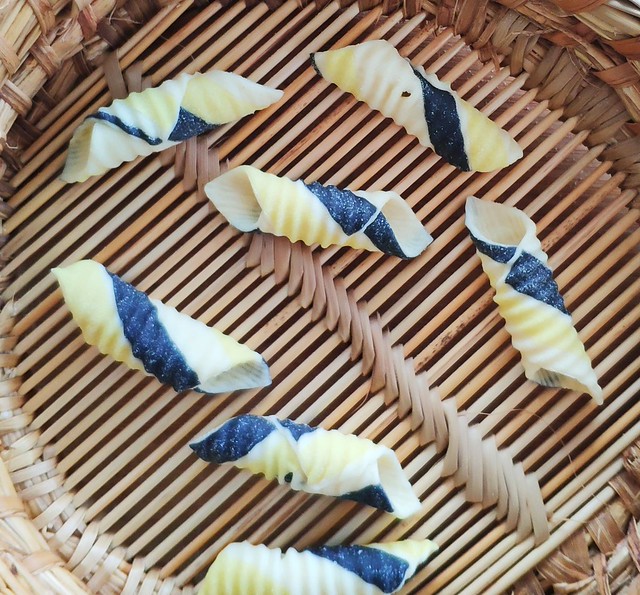
Making pasta at home is one of those kitchen pursuits that looks daunting from the outside and feels quietly meditative once you’re in it. It rewards patience, invites playfulness, and turns an ordinary evening meal into something worth lingering over. Whether you’re marking World Pasta Day or simply looking for a weekend project, here’s everything you need to get started.
Why Bother Making It Yourself?
Fresh pasta has a texture that dried, shop-bought versions simply cannot replicate. Each bite carries a delicate chew and a warmth that speaks of time spent working the dough by hand. It is also endlessly adaptable: you can work herbs, spices or vegetable purées straight into the dough to build both flavour and colour, then shape the results to suit whatever sauce you have in mind.
There is also the craft of it. Making pasta connects you to centuries of Italian culinary tradition, but leaves plenty of room for your own modern touches. The smell of fresh dough, the silky feel of it between your fingers, the gentle rhythm of a machine rolling out sheet after sheet — it is a sensory experience as much as a cooking one.
Choosing Your Flour
Flour choice shapes everything that follows. ‘00’ flour is finely milled and silky, making it ideal for egg-based pasta. Semola, made from durum wheat, is coarser and produces a firmer, slightly nutty pasta that works beautifully with water — which also makes it suitable for vegan dough. A drizzle of olive oil can add elasticity and a little subtle flavour.
Good-quality flour makes a noticeable difference, giving the finished pasta a creamier bite and a natural sweetness. Fresh, free-range eggs enrich the dough with colour and flavour, while the water you use should be just warm enough to encourage elasticity without turning the dough sticky.
Coloured and Flavoured Pasta
A plate of pasta can be as much a feast for the eyes as for the palate. Beetroot turns dough a deep, jewel-like pink; spinach gives a vibrant green; pumpkin adds a golden glow; butterfly pea flowers produce a soft, ethereal blue. The effect can be bold or subtle, but either way it lends the finished dish a hand-crafted, gourmet quality.
Fresh vegetables need to be blended into a smooth liquid before they meet the flour. For egg pasta, that liquid joins the eggs; for semola dough, warm water does the job. The process is a small piece of alchemy — dry powder meets liquid, flour becomes silk, and the kitchen fills with the scent of fresh ingredients.
Laminating dough with coloured layers opens up further possibilities: stripes, patterns, even small shapes like stars and flowers. It is playful and artistic, and seeing your creation take form is deeply satisfying.
Making the Dough
For egg pasta, weigh out 100g of flour per portion and crack in a large, fresh egg. Make a well in the flour, mix with a fork, then knead by hand until the dough is silky and smooth. Cover it and let it rest for at least thirty minutes — this relaxes the gluten, making the dough easier to roll and giving the finished pasta a tender bite.
For semola pasta, combine 100g of flour with 50ml of warm water. Introduce the liquid gradually, knead, and rest. The dough should feel soft but resilient — a little like modelling clay, but with an elasticity all its own. A sprinkle of flour or a few drops of water will bring it to the right texture.
Rolling and Shaping
Roll the dough with a pasta machine or a rolling pin. Start on the widest setting, pressing a golf-ball-sized portion through, then fold and re-roll several times until it reaches the smoothness you want. Reduce the thickness gradually to create sheets suitable for tagliatelle, fettuccine or delicate lasagne.
Shaping is where artistry meets craftsmanship. Cutters, gnocchi boards or simply your hands can produce all manner of forms: ridged orecchiette cradling a rich sauce, or little parcels of ravioli filled with whatever is in season. Each shape changes the way sauce clings to the pasta, and with it the whole eating experience.
Sauces and Pairings
Delicate fresh pasta pairs best with light sauces — herb-infused olive oil, or a gentle cream — letting the flavour and texture of the dough lead. Rich ragùs and slow-cooked sauces cling beautifully to ridged shapes or wider sheets, creating a harmony of sauce and noodle. Seasonal thinking lifts the dish further: pumpkin and sage in autumn, peas and mint in spring, roasted cherry tomatoes in summer.
A sprinkling of freshly grated Parmesan or a drizzle of extra-virgin olive oil finishes the plate. Serve immediately, while warm, and give it a little ceremony — good food deserves attention.
Cooking and Serving
Fresh pasta cooks quickly, usually in two to four minutes depending on thickness. Boil it in salted water, stir gently, and combine it with sauce straight away. Taste as you go to catch the perfect al dente bite. Present it in a shallow bowl or on a warm plate, garnish with herbs, and enjoy the serving as much as the eating.
Storage and Freezing
Fresh pasta keeps in the fridge for one to two days, dusted with flour to stop it sticking. It freezes well for up to two months in airtight containers, and can be cooked straight from frozen by adding thirty to sixty seconds to the usual cooking time. Shaping and freezing in batches means you can produce pasta ahead for busy weeknights while keeping that homemade freshness.
Frequently Asked Questions
Can I make fresh pasta without a machine?
Absolutely. A rolling pin and a little patience will get you there. Dust the surface lightly with flour, roll evenly, and cut into ribbons with a sharp knife. The result may be a touch thicker, but the rustic texture has its own charm.
What’s the difference between 00 flour and semola flour?
00 flour is finely milled from soft wheat and gives a silky, delicate pasta — ideal for filled shapes or ribbons. Semola (or semolina) is coarser, made from durum wheat, and creates firmer, slightly chewy pasta that holds sauces beautifully. Many cooks use a mix of both for balance.
How long should pasta dough rest?
At least 30 minutes at room temperature. Resting lets the gluten relax, which makes the dough much easier to roll and shape. If you’re making it ahead, wrap it well and refrigerate for up to 24 hours, then bring it back to room temperature before using.
Can I freeze fresh pasta?
Yes. Lay cut pasta in a single layer on a tray, dust lightly with flour, and freeze until solid. Once frozen, transfer to airtight containers or freezer bags. Cook straight from frozen, adding a minute or two to the cooking time.
Why is my pasta dough cracking or dry?
It usually means too little liquid or too much extra flour. Add a teaspoon of water (or beaten egg) at a time and knead again until the dough feels smooth and elastic. Always cover dough while it rests to stop it drying out.
How do I stop fresh pasta from sticking together?
Dust freshly cut pasta lightly with flour or semola and toss gently to coat. If you’re leaving it to dry, hang it on a pasta rack or over a clean coat hanger so the strands stay separate.
How can I add flavour or colour naturally?
Blend in puréed spinach, beetroot or roasted red pepper for colour; saffron or turmeric for golden tones; or herbs like basil, parsley or dill for subtle flecks and flavour. Make sure any add-ins are smooth rather than watery.
What’s the best sauce for homemade pasta?
It depends on your dough. Light sauces — butter and sage, or simple tomato and basil — work best with egg pasta. Heartier sauces such as ragù or mushroom cream suit semola pasta or thicker shapes. The pasta should always shine through; the sauce is there to complement, not overwhelm.
Why bother when dried pasta is so easy?
Because it is transformative. Homemade pasta connects you to a rhythm of cooking that is both tactile and meditative. You feel the dough change beneath your hands — a kind of edible alchemy.
Bringing It All Together
If you have a pasta machine lurking at the back of a cupboard, this is your invitation to dust it off and have a go. There is something deeply grounding about making pasta from scratch: the rhythm of kneading, the soft weight of dough beneath your hands, the slow roll through the machine as thin sheets unfurl like silk.
Homemade pasta connects us to a tradition far older than our own kitchens, and it rewards patience and playfulness in equal measure. Whether you’re rolling tagliatelle for one or crafting beetroot-stained ravioli for a dinner party, the act itself becomes part of the meal — a ritual of touch, texture and time.
So find that machine, open the flour, and let the afternoon stretch.