Recipes · 13 September 2026
How to Make Porchetta: Italian Pork Roast with Crispy Crackling
Porchetta is one of those dishes that lingers in the memory long after the last slice has gone. The first encounter with it, in a hill town in Umbria, came as a scent before it came as a sight: slow-roasting pork, fennel
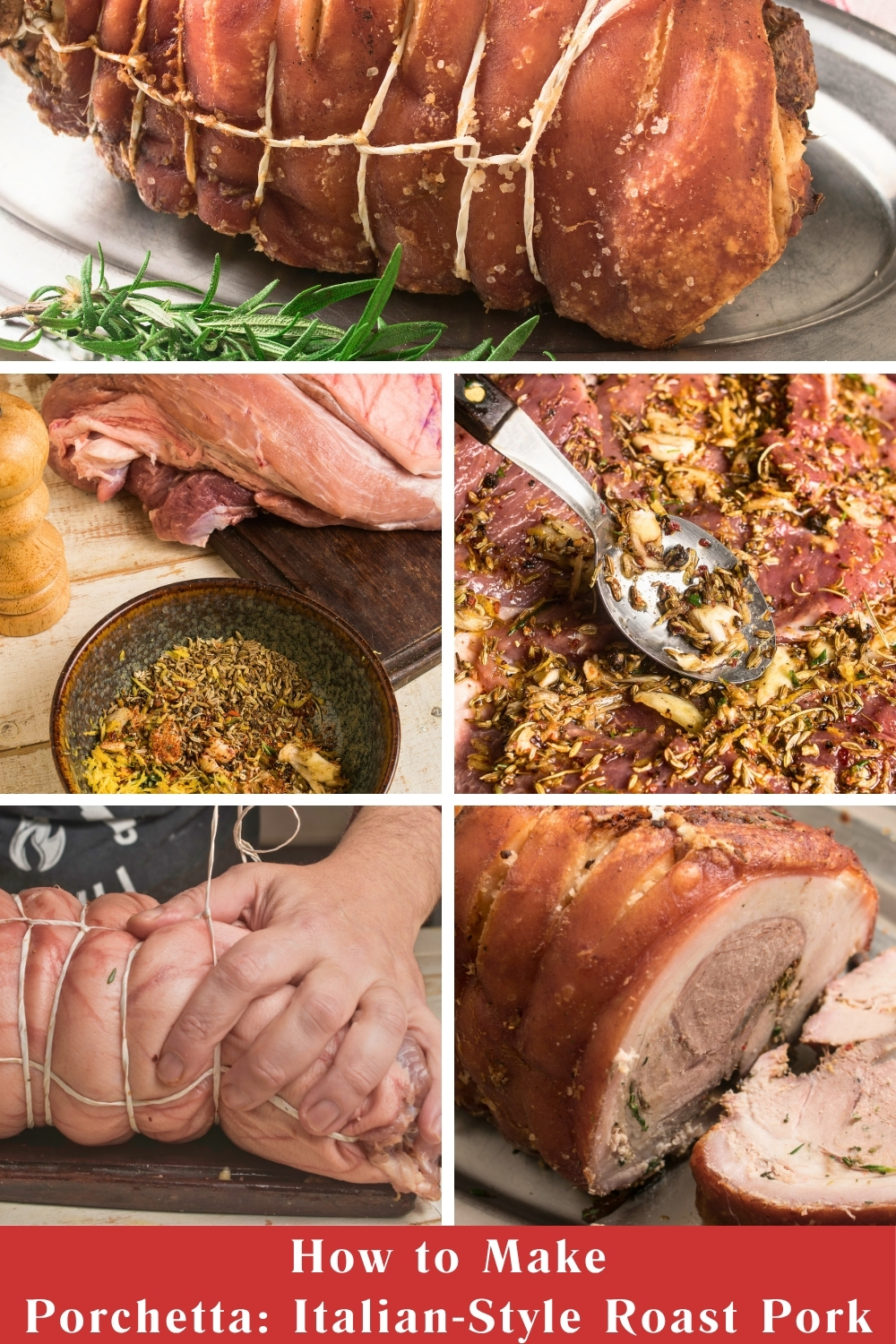
Porchetta is one of those dishes that lingers in the memory long after the last slice has gone. The first encounter with it, in a hill town in Umbria, came as a scent before it came as a sight: slow-roasting pork, fennel, rosemary, garlic and woodsmoke drifting down quiet stone streets. Minutes later came a porchetta-stuffed roll, the bread slicked with good olive oil, the pork tender at the centre and edged with crisp, golden crackling. Instant devotion.
Porchetta may sound like a grand Italian feast dish, and traditionally it often is, but it can be made in an ordinary home kitchen. No whole pig, no wood-fired oven, no elaborate equipment. Just a good piece of pork belly or shoulder, plenty of herbs, patient roasting, and a final blast of heat to help the skin crackle.
The result is everything porchetta should be: juicy, aromatic pork rolled with fennel, rosemary, garlic and lemon, finished with crisp crackling and sliced thickly for sandwiches, Sunday lunch, picnics or the sort of kitchen-table feast that makes everyone hover near the carving board.
Quick answer: how do you make porchetta at home?
Use a butterflied piece of pork belly or pork shoulder, season the flesh with garlic, fennel seeds, rosemary, lemon zest, black pepper and salt, then roll and tie it tightly with the skin facing out. Roast it slowly until the pork is tender, then increase the oven temperature at the end to crisp the crackling.
For the best result, dry the skin well before cooking, season it generously with salt, and rest the porchetta before slicing. Pork belly gives the richest, crispest result, while pork shoulder is a little meatier and often more budget-friendly.
What is porchetta?
Porchetta is a traditional Italian roast pork dish made with boneless pork that is seasoned, rolled and slow-roasted until the meat is tender and the skin is crisp. It is often associated with central Italy, especially Lazio and Umbria, although versions can be found across the country.
Traditionally, porchetta was made with a whole deboned pig, seasoned generously with herbs, garlic, fennel, salt and pepper, then roasted until deeply aromatic. For home cooks, the same flavours can be recreated on a much more manageable scale using pork belly or pork shoulder.
At its best, porchetta is all about contrast: crisp crackling, juicy pork, fragrant herbs, a little citrus brightness, and that unmistakable fennel-and-garlic warmth running through every slice.
Best cut of pork for porchetta
The best cut depends on the kind of roast you want. For home cooking, pork belly and pork shoulder are the easiest and most reliable options. Both give you tender, flavourful pork, but they behave slightly differently in the oven.
Pork belly
Pork belly is ideal if you want rich, juicy porchetta with excellent crackling. It has plenty of fat running through it, which helps keep the meat moist during the long roast, and the skin crisps beautifully when dried, salted and finished at a high temperature.
Pork shoulder
Pork shoulder is a great choice if you prefer a meatier roast. It is usually more affordable than pork belly, easy to find, and very forgiving when cooked low and slow. Ask your butcher for a boned and butterflied shoulder so you can spread the seasoning across the meat, roll it tightly and tie it before roasting.
Which one should you choose?
If crisp crackling is your main priority, go for skin-on pork belly. If you want a slightly leaner, meatier and more budget-friendly Italian pork roast, pork shoulder is a brilliant option. Either way, choose a boned, butterflied joint with the skin left on if you can.
Why you’ll love this porchetta recipe
This recipe gives you the drama of a proper Italian pork roast without needing a whole pig, a wood-fired oven or any specialist kit. It is generous, aromatic and impressive, but still very doable in a normal home kitchen.
The flavour is the real joy here. Fennel seeds, rosemary, garlic, lemon zest and black pepper give the pork that classic herby porchetta warmth, while the slow roast keeps the meat tender and juicy.
It also works beautifully with different cuts. Pork belly gives you rich meat and crisp crackling, while pork shoulder makes a meatier, more budget-friendly roast that is still full of flavour.
It is brilliant for gatherings, whether you serve it as a Sunday roast centrepiece, slice it into ciabatta rolls, or bring it out as part of a relaxed sharing table.
The leftovers are genuinely useful too. Cold porchetta is wonderful in sandwiches, and any extra meat can be chopped into fried rice, pasta, hash-style dishes or frittata.
Ingredient notes
Pork: Use a 1.5–2kg boned, butterflied pork shoulder or pork belly, ideally with the skin left on. Pork belly gives richer meat and better crackling, while pork shoulder gives a meatier, slightly more economical roast.
Fennel seeds: Fennel is one of the key flavours in porchetta. Toasting the seeds briefly in a dry pan before crushing them helps release their aroma and gives the pork that warm, almost sweet Italian flavour.
Rosemary: Fresh rosemary works best here because it stands up well to slow roasting. Chop it finely so it spreads evenly through the garlic and fennel paste.
Garlic: Crushed garlic gives the filling depth and savoury warmth. Three cloves keeps the flavour generous without overwhelming the pork.
Lemon zest: Lemon zest lifts the richness of the pork and keeps the flavour bright. Use the zest only, not the juice, as extra moisture can work against crisp crackling.
Sea salt: Salt seasons the meat and helps the skin crisp. Use some in the herb paste and a little extra on the skin before roasting.
Olive oil: A little olive oil helps bring the seasoning paste together and encourages the skin to colour during roasting.
Chilli flakes: These are optional, but a small pinch adds warmth without taking the porchetta away from its classic fennel, rosemary and garlic flavour.
Equipment you’ll need
You do not need any specialist equipment to make porchetta at home, but a few basics will make the process easier.
A sharp knife is useful for lightly scoring the skin and trimming any uneven pieces of pork. Kitchen string is essential for tying the rolled joint securely, which helps the porchetta keep its shape as it cooks.
You will also need a roasting tray, ideally with a rack if you have one, so the heat can circulate around the pork. A pestle and mortar or spice grinder is handy for crushing the toasted fennel seeds, although you can also use the end of a rolling pin.
A meat thermometer is useful for checking the pork is cooked safely, especially if your joint is larger, smaller or shaped differently from the one used here.
Porchetta recipe
Prep time: 30 minutes Cook time: 2.5–3 hours, plus 20–30 minutes for crisping Resting time: 15–20 minutes Serves: 6–8
This homemade porchetta is made with boned, butterflied pork shoulder or pork belly, seasoned with garlic, fennel seeds, rosemary, lemon zest and black pepper, then rolled, tied and slow-roasted until tender. A final blast of high heat helps crisp the skin for that all-important golden crackling.
Ingredients
- 1.5–2kg boned, butterflied pork shoulder or pork belly, ideally skin-on
- 3 garlic cloves, crushed
- 2 tsp fennel seeds, lightly toasted and crushed
- 2 tbsp fresh rosemary, finely chopped
- Zest of 1 lemon
- 1 tsp freshly ground black pepper
- 2 tsp sea salt, plus extra for the skin
- 2 tbsp olive oil
- Optional: a pinch of chilli flakes
Method
- Preheat the oven to 160°C / 140°C fan / gas mark 3. Pat the pork very dry with kitchen paper, especially the skin.
- Mix the garlic, fennel seeds, rosemary, lemon zest, black pepper, sea salt, olive oil and any optional chilli into a rough paste.
- Spread the paste evenly over the meat side of the pork, keeping the skin side bare.
- Roll the pork tightly, skin side out, and tie securely with kitchen string every few centimetres. Lightly score the skin with a sharp knife, taking care not to cut too deeply into the meat.
- Rub a little extra sea salt over the skin and drizzle lightly with olive oil.
- Place the porchetta on a roasting tray, skin side up. Roast low and slow for 2.5–3 hours, basting occasionally with the pan juices.
- Increase the oven temperature to 220°C / 200°C fan / gas mark 7 for the final 20–30 minutes, until the skin is golden and crisp.
- Remove from the oven and rest for 15–20 minutes before slicing.
- Serve thickly sliced in ciabatta rolls, panini or sandwiches, or as a centrepiece with roasted vegetables. Leftovers are also good cold in sandwiches, or chopped into fried rice, pasta or hash-style dishes.
How to make porchetta successfully
The method for porchetta is simple, but a few small details make a big difference. The most important things are drying the skin properly, spreading the seasoning over the meat rather than the skin, rolling the pork tightly, tying it securely, and giving the crackling enough heat at the end.
Six key steps
Dry the skin thoroughly. Moisture is the enemy of crackling. Pat the pork dry with kitchen paper, then leave it uncovered in the fridge for an hour or so if you have time. The drier the skin, the better it will crisp.
Season the meat, not the skin. Spread the herb paste over the flesh side only. Salt on the skin is fine, but the garlic, lemon and herbs belong inside, where they will perfume the pork as it roasts.
Roll and tie tightly. A loose roll lets steam escape and creates gaps where the meat dries out. Tie the joint at close intervals with kitchen string so it holds its shape through the long cook.
Score the skin lightly. A few shallow cuts help the fat render and the skin bubble into crackling. Cut through the skin and fat only, not into the meat beneath.
Roast low, then blast high. The slow stage at 160°C does the work of tenderising the pork. The final 20–30 minutes at 220°C is what turns the skin golden and crisp. Do not skip it, and do not walk away during it.
Rest before slicing. A 15–20 minute rest lets the juices settle so they stay in the meat rather than running onto the board. It also makes the porchetta easier to carve into clean, thick slices.
Serving suggestions
Porchetta is at its most traditional in a crusty roll or ciabatta, sliced thickly and perhaps finished with a little salsa verde or a squeeze of lemon. It also makes a fine centrepiece for a Sunday table alongside roast potatoes, braised greens or a sharp, vinegary salad to cut through the richness.
For a more relaxed spread, serve it warm with flatbreads, pickled onions and a bowl of white beans dressed with olive oil and herbs. Cold leftovers are excellent in sandwiches with mustard or chutney, and any scraps can be folded through pasta, fried rice or a frittata.
Make-ahead and storage
Porchetta can be prepared and rolled up to a day ahead. Keep it covered in the fridge, then bring it to room