Travel · 13 September 2026
Murcia Festivals & Cultural Events: When to Visit
Murcia is not a region that gives itself up in a single season, a single square or a neatly packaged city break. Its character unfolds across the calendar: in solemn Holy Week processions, spring celebrations rooted in t
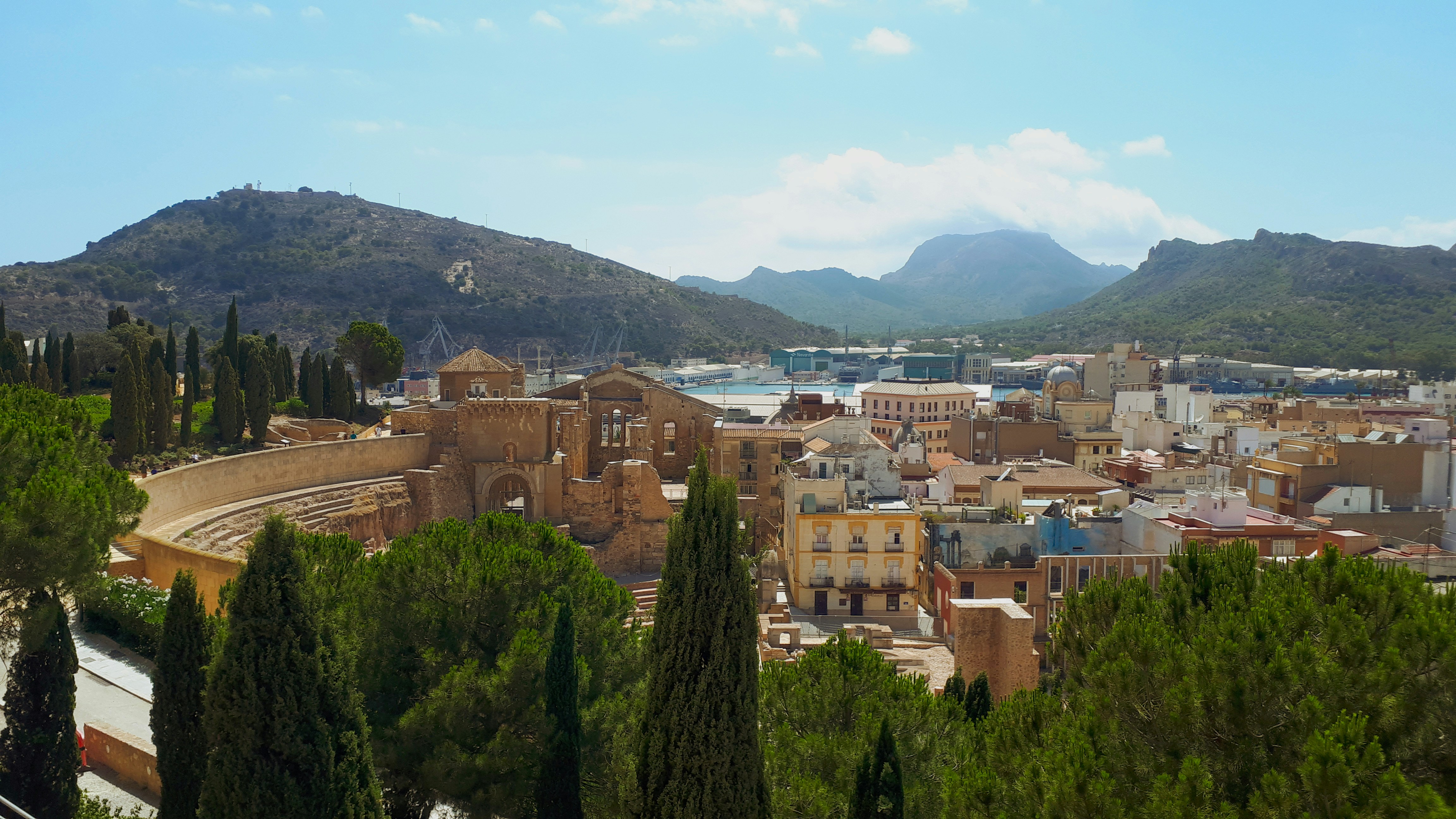
Murcia is not a region that gives itself up in a single season, a single square or a neatly packaged city break. Its character unfolds across the calendar: in solemn Holy Week processions, spring celebrations rooted in the orchard, flamenco competitions, Roman re-enactments, summer music festivals, pilgrimage traditions, food stalls, fireworks and streets that stay busy late into the night.
For travellers, that makes timing especially rewarding. Visit around Easter and the city shifts into ritual, devotion and springtime theatre. Come in May and Caravaca de la Cruz becomes one of the region’s most dramatic pilgrimage settings. Summer brings music to Cartagena, La Unión and the Mar Menor, while September returns fairs, history and open-air celebration to the city.
This is not a complete list of every local fiesta in the Region of Murcia. It is a practical, season-led guide to the festivals and cultural events most worth knowing about if you are planning a trip around atmosphere, food, tradition, music or a deeper sense of place.
Quick answer: when are the best festivals in Murcia?
The most atmospheric time to visit for traditional festivals is spring, especially around Holy Week and the Fiestas de Primavera. Holy Week brings processions and religious ceremony to Murcia city, Cartagena, Lorca and other towns across the region, while Bando de la Huerta and Entierro de la Sardina give Murcia city a very different energy, with orchard traditions, folk dress, food stalls, parades, fireworks and surreal street theatre.
May is especially strong in Caravaca de la Cruz, where the Fiestas de la Vera Cruz and Caballos del Vino bring together pilgrimage, horses, embroidered textiles, Moors and Christians celebrations and one of the region’s most distinctive local identities.
For music and summer culture, July and August are the months to watch. Cartagena hosts La Mar de Músicas, La Unión is known for the Festival Internacional del Cante de las Minas, and Los Alcázares has a more contemporary festival feel with Fan Futura Fest near the Mar Menor.
September is another excellent time to visit, particularly for the Feria de Murcia and Cartagena’s Carthaginians and Romans Festival. It is a useful shoulder-season month for travellers who want atmosphere, warm weather and cultural events without focusing entirely on the Easter calendar.
Spring festivals in Murcia
Spring is the most dramatic stretch of Murcia’s festival calendar. The season moves quickly from the solemnity of Holy Week into the colour, noise and appetite of the Fiestas de Primavera, when the city seems to shake off Lent and return to the streets with food, music, flowers, folk dress and fireworks.
For travellers, this is the moment when Murcia feels most itself. It is not simply a question of watching a parade. The rhythm of the city changes. Streets become gathering places, restaurants and bars are busier, traditional dress appears in everyday spaces, and the relationship between the city and its surrounding huerta feels visible rather than abstract.
Holy Week in Murcia
Holy Week, or Semana Santa, is one of the most important periods in Murcia’s cultural calendar. Across the region, processions bring together religious devotion, sculpture, music, candlelight and local identity, with Murcia city, Cartagena and Lorca each offering a different expression of the tradition.
In Murcia city, Holy Week has particular visual power because of the close relationship between the processions, the historic centre and the city’s baroque religious art. The atmosphere is quieter and more reverent than the spring festivities that follow, but it is no less theatrical. For visitors, it is a reminder that Murcia’s festival calendar is rooted as much in devotion and inherited ritual as in celebration.
Cartagena and Lorca are also worth knowing about if you are travelling more widely through the region. Cartagena’s processions have a formal, military precision, while Lorca is known for especially elaborate biblical pageantry and the rivalry between its great brotherhoods. If your trip falls around Easter, it is worth checking the programme in more than one town before deciding where to base yourself.
Bando de la Huerta
If Holy Week shows Murcia at its most solemn, Bando de la Huerta shows it at its most generous. Held on the first Tuesday after Easter, it is the great celebration of Murcia’s huerta: the fertile orchard landscape that has shaped the region’s food, farming and identity for centuries.
The day is built around traditional dress, folk music, horse-drawn carts, flowers, food and a huge public parade. Locals dress as huertanos and huertanas, the streets fill with colour, and the city becomes a tribute to rural Murcia. For food-focused travellers, this is one of the most rewarding times to be in the city, because the celebration is tied so closely to produce, cooking and the idea of Murcia as the orchard of Europe.
Expect the city to be busy, sociable and full of movement. This is not a quiet sightseeing day. It is a day for wandering, watching, eating, stopping often and letting the atmosphere carry you. If you want a neat museum-and-lunch itinerary, come another week. If you want to understand Murcia’s pride in its land, food and traditions, this is one of the best days of the year to visit.
Entierro de la Sardina
A few days later, Murcia changes mood again with the Entierro de la Sardina, or Burial of the Sardine. It marks the end of the Fiestas de Primavera and brings a more surreal, carnivalesque energy to the city, with mythology, floats, fire, music and a final burst of celebration.
The name may sound strange if you have not come across the tradition before, but that is part of its appeal. The Entierro de la Sardina is playful, theatrical and deliberately excessive, with a giant sardine, costumed groups, fireworks and a sense that the city is leaning fully into spectacle. It is one of the clearest examples of Murcia’s ability to move from solemn ritual to joyful absurdity within the space of a single week.
For visitors, the combination of Holy Week, Bando de la Huerta and the Entierro de la Sardina makes spring one of the strongest times to plan a Murcia trip. You get religious tradition, food culture, folk identity and street theatre in close succession, which gives the city a depth that is easy to miss on a standard short break.
Spring is also a practical time to think carefully about where you stay. If you want to be close to the main processions and city celebrations, it pays to book accommodation near the historic centre well in advance. For a broader trip structure, build the rest of your visit around food, neighbourhoods and slower exploring.
Caravaca de la Cruz and early summer traditions
After the intensity of Murcia city’s spring celebrations, the festival calendar turns inland towards Caravaca de la Cruz. Set in the north-west of the Region of Murcia, Caravaca has a very different atmosphere from the regional capital. It is smaller, hillier and more closely associated with pilgrimage, sacred history and one of Spain’s most distinctive equestrian traditions.
The Fiestas de la Vera Cruz, held in early May, are the centrepiece. They combine religious devotion with a celebration of local identity that draws visitors from across the region and beyond. At the heart of the festivities are the Caballos del Vino, in which teams of men race horses up to the sanctuary, each animal dressed in richly embroidered cloth. The tradition is recognised by UNESCO for its cultural significance, and the embroidered mantles themselves are treated as works of art, passed down and displayed with real pride.
The days around the fiestas also bring Moors and Christians parades, music, food and a sense that the whole town has stepped into its own history. For travellers interested in pilgrimage routes, Caravaca is a natural stopping point, and the town’s sanctuary and castle give the visit a sense of occasion beyond the festival itself.
If you are planning around this period, note that accommodation in Caravaca fills quickly and the town is small. Booking early is essential, and many visitors choose to base themselves in Murcia city or nearby towns and travel in for the day.
Summer music and cultural festivals
Summer shifts Murcia’s cultural focus towards music, and the region’s coastal and mining towns come into their own.
Cartagena’s La Mar de Músicas, usually held in July, is one of the region’s flagship cultural events. It brings international and Spanish artists to a city with a deep Roman history, and the programme extends beyond concerts into film, art and talks. The setting, with the city’s Roman theatre and harbour, gives the festival a character that is hard to replicate elsewhere.
La Unión, inland from the coast, is known for the Festival Internacional del Cante de las Minas, a celebration of flamenco and the mining songs of the region. Held in late July and early August, it is one of the most important flamenco events in Spain, and the atmosphere is intense, intimate and rooted in the town’s mining heritage.
On the Mar Menor, Los Alcázares hosts Fan Futura Fest, a more contemporary offering with a younger, festival-going crowd. It is a useful option for travellers who want music by the water and a less formal atmosphere than the established events.
Summer in Murcia is hot, and many festivals take place in the evening or late at night. Plan for late starts, long evenings and a slower pace during the day.
Autumn fairs, history and local celebrations
September is one of the best months to visit Murcia if you want festival atmosphere without the intensity of Easter. The Feria de Murcia brings fairs, food, music and traditional activities back to the city, and it is a good introduction to local culture for first-time visitors.
Cartagena’s Carthaginians and Romans Festival, usually held in the second half of September, is one of the region’s most spectacular historical re-enactments. It commemorates the city’s classical past with parades, costumes, battles and a large-scale sense of theatre. For travellers interested in history, it is a highlight of the year.
Autumn also brings smaller local celebrations across the region, often tied to harvests, patron saints and town fairs. These are less publicised than the major festivals but can be some of the most rewarding experiences for travellers who want to see everyday Murcian life rather than a staged event.
Winter and quieter local traditions
Winter is the quietest period in Murcia’s festival calendar, but it is not without its traditions. Christmas brings nativity scenes, markets and family celebrations, and the Three Kings parades in early January are a highlight for many towns across the region.
For travellers who prefer smaller crowds and lower prices, winter can be a good time to visit, particularly if you are interested in the region’s food, markets and historic sites rather than large-scale events. The weather is mild compared with much of Europe, and the cities are easier to explore.
Best time to visit Murcia for festivals
If traditional festivals are your priority, spring is the best time to visit, with Holy Week and the Fiestas de Primavera offering the most concentrated programme of events. May is ideal for Caravaca de la Cruz and the Caballos del Vino. July and August suit music lovers, particularly those interested in flamenco or contemporary festivals. September is a strong all-round choice, with the Feria de Murcia and the Carthaginians and Romans Festival offering atmosphere, history and warm weather.
Practical tips for planning a festival trip to Murcia
Book accommodation early, especially around Holy Week, the Fiestas de Primavera and the Caravaca fiestas. Prices rise and availability falls quickly.
Check dates each year, as many festivals follow the religious calendar and move accordingly. Local tourism websites are the most reliable source for confirmed dates and programmes.
Expect late nights