Recipes · 13 September 2026
No-Knead Ciabatta Rolls Recipe - Rustic Italian Bread
A good ciabatta roll is the kind of bread you return to again and again: crusty enough to crackle when you tear it open, chewy enough to hold a substantial filling, and simple enough to make with flour, water, salt, yeas
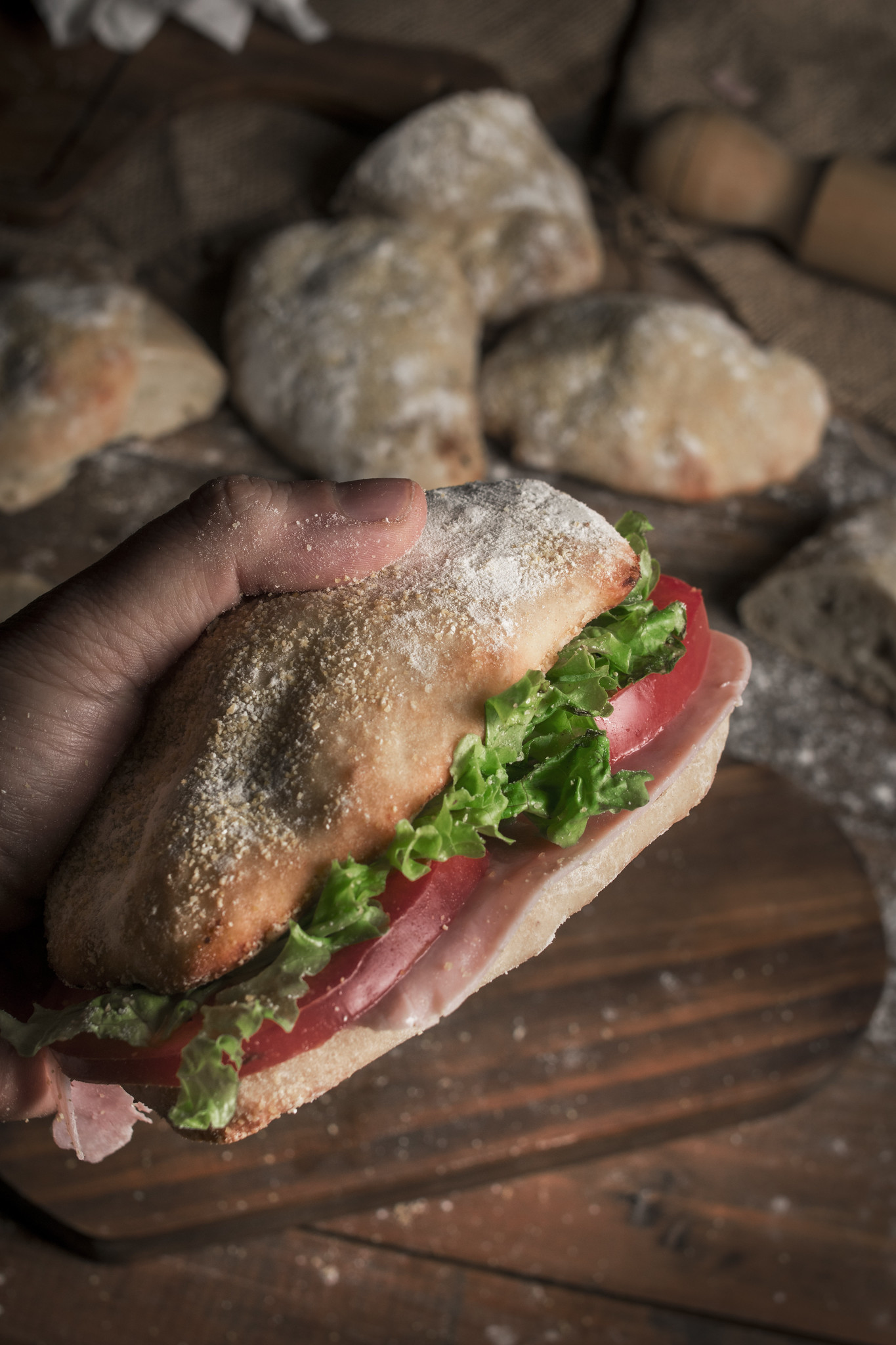
No-Knead Ciabatta Rolls: Rustic Italian Bread Made Easy
A good ciabatta roll is the kind of bread you return to again and again: crusty enough to crackle when you tear it open, chewy enough to hold a substantial filling, and simple enough to make with flour, water, salt, yeast and a little patience.
These no-knead ciabatta rolls are the sort of bread you hope for in Italy: rustic, flour-dusted and made for generous sandwiches, whether that means porchetta tucked into warm bread in Rome, a simple tomato and mozzarella filling, or something to sit beside a slow-cooked sauce at the table.
No-knead bread recipes had a real moment online some years ago. This recipe keeps the appeal of that slow, low-effort method but turns it into something far more practical for a home kitchen: individual ciabatta rolls with a crisp crust, a chewy middle and enough character to make even a simple lunch feel special.
Ciabatta is not a bread that asks to be neat. The dough is wet, the shaping is rustic and the finished rolls should look a little irregular rather than perfectly uniform. That is part of the joy. What you want is a flour-dusted crust, an airy crumb and a roll sturdy enough for sandwiches, soups, antipasti, or whatever lovely thing you happen to be putting on the table.
This is an overnight recipe, but not a difficult one. Most of the work happens while the dough rests quietly on the counter. A little mixing, a couple of gentle folds, a long rise and a hot oven are enough to turn flour, water, salt and yeast into rustic Italian-style bread rolls worth planning lunch around.
Why you’ll love these ciabatta rolls
These ciabatta rolls are properly low-effort. The dough needs time, but very little hands-on work. Most of the flavour and texture develops during the long overnight rise.
They are designed for home ovens. Instead of trying to wrestle large ciabatta loaves onto a domestic baking tray, this recipe makes individual rolls that are easier to shape, bake and serve.
The texture is worth the wait. You get a crisp, flour-dusted crust with a chewy, open crumb inside.
They are brilliant for sandwiches. These rolls are sturdy enough for generous fillings, from tomatoes and mozzarella to roasted vegetables, antipasti or porchetta-style pork.
They freeze well too. Bake a batch, enjoy some fresh, then freeze the rest for easy lunches, soups and weekend meals.
They feel a little bit Italian without being complicated: flour, water, salt, yeast, a long rise and a hot oven. Nothing fussy, but very satisfying.
Ingredient notes
You do not need many ingredients to make these ciabatta rolls, but the few you use do matter. Bread flour, water, salt, a tiny amount of yeast and a little semolina or fine polenta are enough to create rustic rolls with a crisp crust and chewy, open crumb.
Strong white bread flour
Use strong white bread flour rather than plain flour. Ciabatta needs enough structure to hold its air pockets, and bread flour gives the dough the strength it needs while still keeping the finished rolls light and chewy.
Different brands of flour absorb water slightly differently, so your dough may feel a little looser or firmer depending on what you use. It should still be wet, sticky and soft rather than smooth and easy to handle.
Water
This is a high-hydration dough, which simply means there is a lot of water in relation to the amount of flour. That wetness is what helps create ciabatta’s open crumb and slightly chewy texture.
Use lukewarm water rather than hot water. If the water is too hot, it can damage the yeast; if it is very cold, the dough will rise more slowly.
Instant or fast-action yeast
You only need a tiny amount of yeast for this recipe because the dough rises slowly overnight. That long rise gives the rolls better flavour and texture than a quick bread dough.
One gram of instant or fast-action dried yeast is roughly 1/4 teaspoon. If your scales do not measure such small amounts accurately, use a level 1/4 teaspoon instead. Do not add a whole 7 g sachet; it is far too much for this slow-rise dough.
Fine sea salt
Salt is essential for flavour, but it also helps strengthen the dough. Fine sea salt is best because it disperses evenly through the flour.
Semolina or fine polenta
Semolina or fine polenta helps stop the dough from sticking and gives the base of the rolls a lovely texture. It also adds to that rustic bakery-style finish.
If you do not have semolina or polenta, use extra flour for dusting instead. The rolls will still work.
Useful equipment
You do not need specialist equipment to make these ciabatta rolls, but a dough scraper is very useful. The dough is wet and sticky, so a scraper makes it much easier to lift, shape and divide without knocking out too much air.
You will also need a large mixing bowl, baking parchment, baking trays and a clean tea towel for covering the rolls while they prove. If you want a crisper crust, an empty roasting tin in the base of the oven can be used to create steam at the start of baking.
Why no-knead bread works
Yeast baking can make home bakers nervous, but it is often the kneading rather than the yeast itself that causes the most worry. Traditional bread recipes can assume you already know how dough should feel: when it is too sticky, when it is smooth enough, when it has been worked enough, and when to stop.
For many of us, that was not a skill taught at school or passed down at home. Bread making is becoming popular again, but there is still something wonderfully freeing about a recipe that does not ask you to judge perfect kneading technique.
With no-knead bread, time does much of the work. The long, slow rise allows the flour to hydrate, the gluten to develop and the flavour to build without needing a stand mixer or confident hand-kneading. A couple of gentle folds help give the dough structure, but there is no need to thump it about on the worktop.
That makes this recipe a lovely place to start if you like the idea of homemade bread but feel less sure about traditional kneading. The dough will look wet and sticky, and that is exactly as it should be.
How to make no-knead ciabatta rolls
This is a slow recipe, but not a complicated one. The dough needs an overnight rise, so the best approach is to mix it the evening before you want to bake, then shape and bake the rolls the following day.
Start by mixing the flour, salt and yeast in a large bowl. Add the water and stir until there are no dry patches of flour left. The dough will look wet, shaggy and sticky at this stage. That is normal for ciabatta, so try not to be tempted to add lots of extra flour.
After a short rest, give the dough a few gentle folds. You are not kneading it in the traditional sense. Wet your hand, lift one side of the dough and fold it back over itself, then turn the bowl and repeat. This helps build strength in the dough while keeping the recipe very low-effort.
Repeat the folding once more, then cover the bowl and leave the dough to rise slowly. By the next day, it should look risen, bubbly and full of air pockets. This is when the dough starts to feel much more promising.
When you are ready to shape the rolls, generously flour your work surface and dust it with semolina or fine polenta. Tip the dough out gently and try to keep as much air in it as possible. Use a dough scraper to ease it into a rough rectangle, then cut it into individual rolls.
The rolls should look rustic rather than neat. Ciabatta is meant to have character, so do not worry if each roll is a slightly different shape. Transfer them carefully to lined baking trays, leave them to prove briefly, then bake in a hot oven until golden, crisp and hollow-sounding underneath.
Once baked, let the rolls cool on a wire rack before slicing. The crust will firm up as they cool, and the interior should be light, chewy and full of those lovely irregular holes.
Tips for success
Do not panic about the wet dough
Ciabatta dough is supposed to be wet, sticky and loose. It will not look like a neat ball of bread dough, and it will not be easy to handle in the way a standard white loaf might be. That wetness is what helps create the open crumb and chewy texture.
Use the folds to build strength
The gentle folds at the beginning of the recipe are worth doing. They help the dough develop structure without traditional kneading, which is especially useful if your flour absorbs water differently or the dough looks very slack.
Bread responds to the weather
One of the most useful things to remember with bread is that dough responds to the conditions around it. A warm kitchen, a summer heatwave, a humid day, a cold winter room, altitude and even the flour you use can all affect how quickly the dough rises and how loose or strong it feels.