Travel · 13 September 2026
Ultimate Guide to Lanzarote 2025 - Beaches, Towns, Food, Wine & Hidden Gems
Lanzarote is one of the Canary Islands, and it has a way of settling into your imagination long before you set foot on it. It is the island that comes up in conversation, the one people recommend for a dose of winter sun
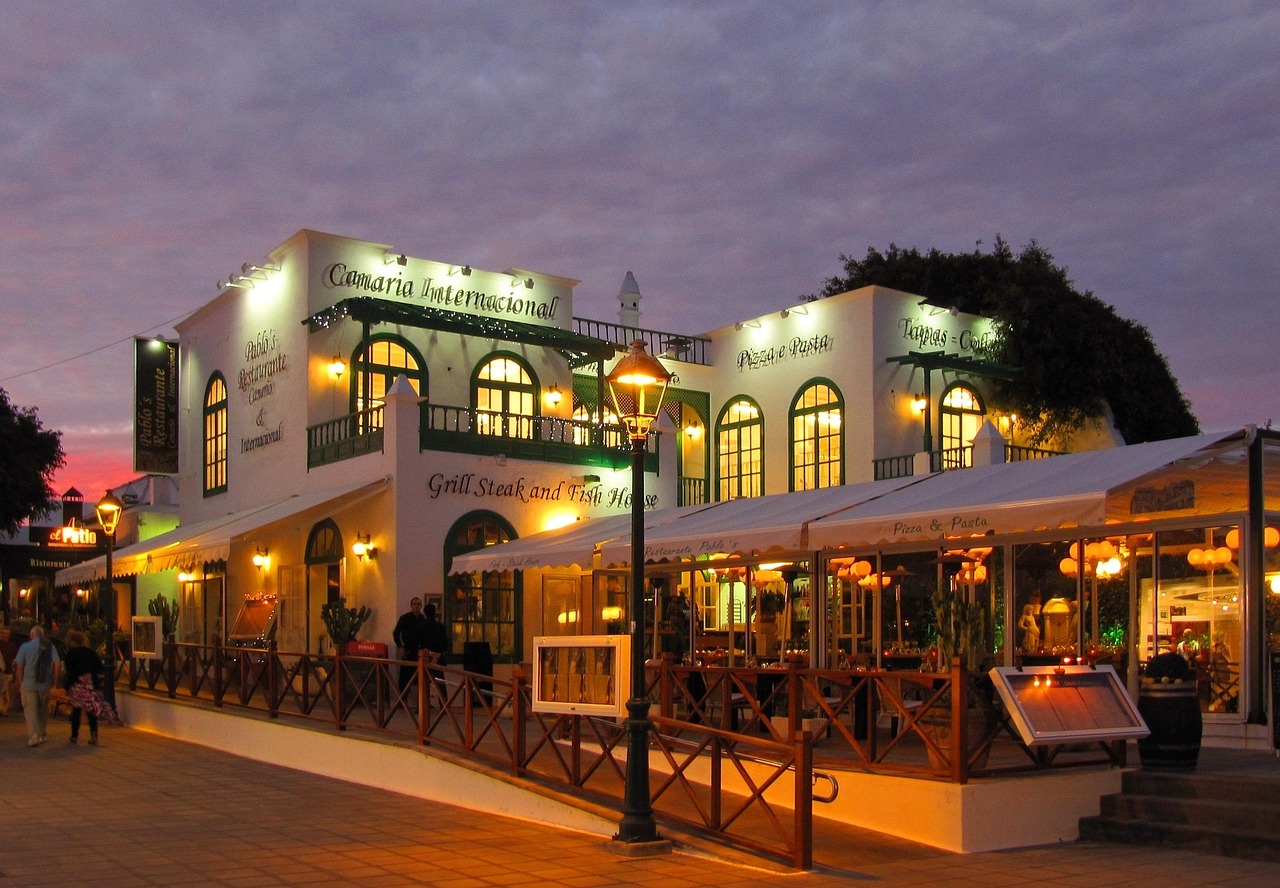
Lanzarote is one of the Canary Islands, and it has a way of settling into your imagination long before you set foot on it. It is the island that comes up in conversation, the one people recommend for a dose of winter sun. Yet beneath that familiarity lies somewhere shaped by fire and sea: stark, wind-smoothed and quietly alive.
Volcanic landscapes run to the horizon, black and red beneath a sky that seems impossibly wide. The coast softens the raw interior with golden sand, hidden coves and water that sparkles in the sun. Towns are whitewashed by law and tradition, bright against the black rock, their streets moving to a slow island rhythm of markets, cafés and the occasional street guitar. The Atlantic is never far away, its scent on the breeze and its surf breaking in constant rhythm. The light feels different here, sharp and warm and slightly surreal, which makes every glance memorable.
Lanzarote is easy to love at first sight, but it rewards curiosity. Wander off the beaten path, taste the volcanic wine, walk the moonlike fields, and the island reveals itself in layers.
Lanzarote in Seven Days: A Quick Itinerary
A week gives you time to breathe into the island’s pace, to let its volcanic energy seep in while still finding moments of calm.
Day 1: Arrival and Gentle Beginnings
Check into your accommodation and let the island work on you. Staying near a beachside promenade puts restaurants and local cafés within easy reach, which is ideal for a first-day stroll. Feel the salty wind untangle travel-day stiffness as you wander and watch the Atlantic glimmer.
Day 2: Timanfaya National Park
Venture inland to Timanfaya National Park, where lava fields stretch out like a story paused mid-chapter. Drive through the surreal landscape, watch geothermal bursts of steam rise from the earth, and take in the way fire and stone have shaped the island over centuries.
Day 3: Seaside Calm or Surf’s Up
Midweek is made for beaches. Seek out Playa Chica for calm, glassy water perfect for a quiet swim, or let the wild cinematic sweep of Famara test your surf skills. The sea here feels elemental: sometimes gentle, sometimes untamed, always spectacular.
Day 4: Teguise and Local Life
Head inland to Teguise for a change of pace. Low whitewashed buildings, quiet squares and weekend markets hum with the slow heartbeat of local life. Fill your suitcase with artisanal cheeses, local wines and crafts that capture the island’s character.
Day 5: The Vineyards of La Geria
By midweek, the vineyards of La Geria beckon. Each vine nestles in an ash-filled hollow, guarded by crescent-shaped walls of volcanic stone. The landscape feels sculpted by art, and tasting the Malvasía Volcánica wines here is like sipping a piece of the island itself.
Days 6 and 7: Manrique and Coastal Wanders
End your week with César Manrique’s architectural marvels and aimless coastal walks. Let your days drift with the wind, absorb the sharp light, the scent of the Atlantic and the warmth of volcanic stone underfoot. By the last evening, the island will feel like a familiar companion: luminous, strange and utterly unforgettable.
How to Get to Lanzarote: Airport Transfers and Transport Tips
Arriving on Lanzarote feels like stepping into a postcard. César Manrique–Lanzarote Airport is compact and unfussy, and the Atlantic glimmers just beyond the terminal doors. From here, the main resort towns — Puerto del Carmen, Costa Teguise and Playa Blanca — are roughly twenty minutes away in any direction, so your first glimpse of the coast is easy to reach. Shuttles run to the island’s soft background rhythm, taxis wait with open doors, and public buses glide along with a laid-back efficiency that mirrors Lanzarote’s gentle pace.
For those itching to explore beyond the shoreline, a rental car is the golden ticket. Roads are smooth, distances short and navigating is a pleasure once you forgive Google Maps its occasional whims. With a car, Timanfaya’s volcanic plains, the sculpted vineyards of La Geria and the northern viewpoints unfold effortlessly. The bus network keeps coastal towns comfortably connected, offering a slower, more observational way to watch the island drift by. Either way, Lanzarote invites you to move at its pace: deliberate, curious and entirely unhurried.
Where to Stay in Lanzarote: From Coastal Buzz to Quiet Retreats
Where you choose to sleep shapes your version of Lanzarote. Puerto del Carmen offers long promenades, sheltered beaches and lively evenings for those who want their holiday with a pulse — the hum of bars, the scent of salt and frying fish, and the occasional guitar strumming by the promenade.
Costa Teguise balances holiday ease with the gentle rhythms of local life. Mornings are spent wandering quiet streets before breakfast at a sun-drenched café, afternoons lounging on soft sand, and evenings slipping into the glow of a seaside sunset. Staying close to the shoreline means breakfast, beach and an evening swim fall into a single, blissfully simple loop.
Further south, Playa Blanca feels newer and brighter, with a marina that glows softly at sunset and streets lined with restaurants and boutique shops. Inland, Teguise offers a contrast: quiet nights wrapped in the stillness of whitewashed streets, mornings waking to birdsong instead of poolside chatter, and the gentle invitation to explore local markets and hidden corners. Wherever you stay, Lanzarote rewards curiosity, and each choice shapes the flavour of your island story.
Things to Do in Lanzarote: Beaches, Volcanoes and Artistic Marvels
The beaches are the obvious draw, and for good reason. On one side of the island, calm, glassy water invites gentle swims and sun-soaked relaxation. On the other, rugged surf crashes against volcanic shores, calling to anyone with a taste for wind and wave. Wander further and black-sand crescents emerge, surreal as if borrowed from another planet, each one a quiet, unforgettable escape.
Timanfaya National Park shifts your very idea of Lanzarote. Here the landscape is forged by fire and cooled into silent drama. Steam hisses from geothermal vents, the earth beneath your feet hums with latent energy, and the views stretch beyond the imagination. It is elemental, raw and quietly humbling.
Elsewhere, César Manrique’s architectural masterpieces — from the subterranean Jameos del Agua to the soaring Mirador del Río — merge art, nature and design into experiences that feel both intimate and epic. These are not mere attractions; they are offerings of the island itself. Around them, coastal towns hum with everyday life: bustling markets, fragrant bakeries and quiet squares where you can pause and soak it all in.
Where to Eat in Lanzarote
Food on the island is shaped by the sea, the soil and the quiet ingenuity of those who have worked with both for generations. By the marina, you will find grilled fish that tastes like it swam close to shore that morning. Inland, vegetables grown in volcanic soil carry a depth of flavour you cannot fail to notice.
For something unpretentious and perfect, the harbour in Playa Blanca offers El Pescador, where chargrilled cherne arrives flaky and steaming, and tables sit just close enough to the water that you can hear the tide shift under your feet. In Arrecife, Lilium wraps Canarian ingredients in a fine-dining glow without drifting into fussiness; the tasting menu reads like a love letter to the island’s larder — limpets, sweet onions, local goat.
Cafés scatter the promenades too. Dulce de Leche in Arrecife does a cortado strong enough to steady even the sleepiest traveller, and the pastries are the kind you buy “just to try” and then finish without noticing. On the quieter north coast, Casa de la Playa near Arrieta is the spot where swimmers pad in straight from the sea, order papas arrugadas and linger over cake in the drowsy afternoon light.
Bars follow the island’s rhythm. At La Playa Surf House in Famara, sandy-footed surfers drink cold beer as the cliffs turn gold. Further south, Blue Note in Marina Rubicón leans into soft jazz and ocean views; the cocktails arrive jewel-bright, and the service has an effortless polish that never announces itself.